
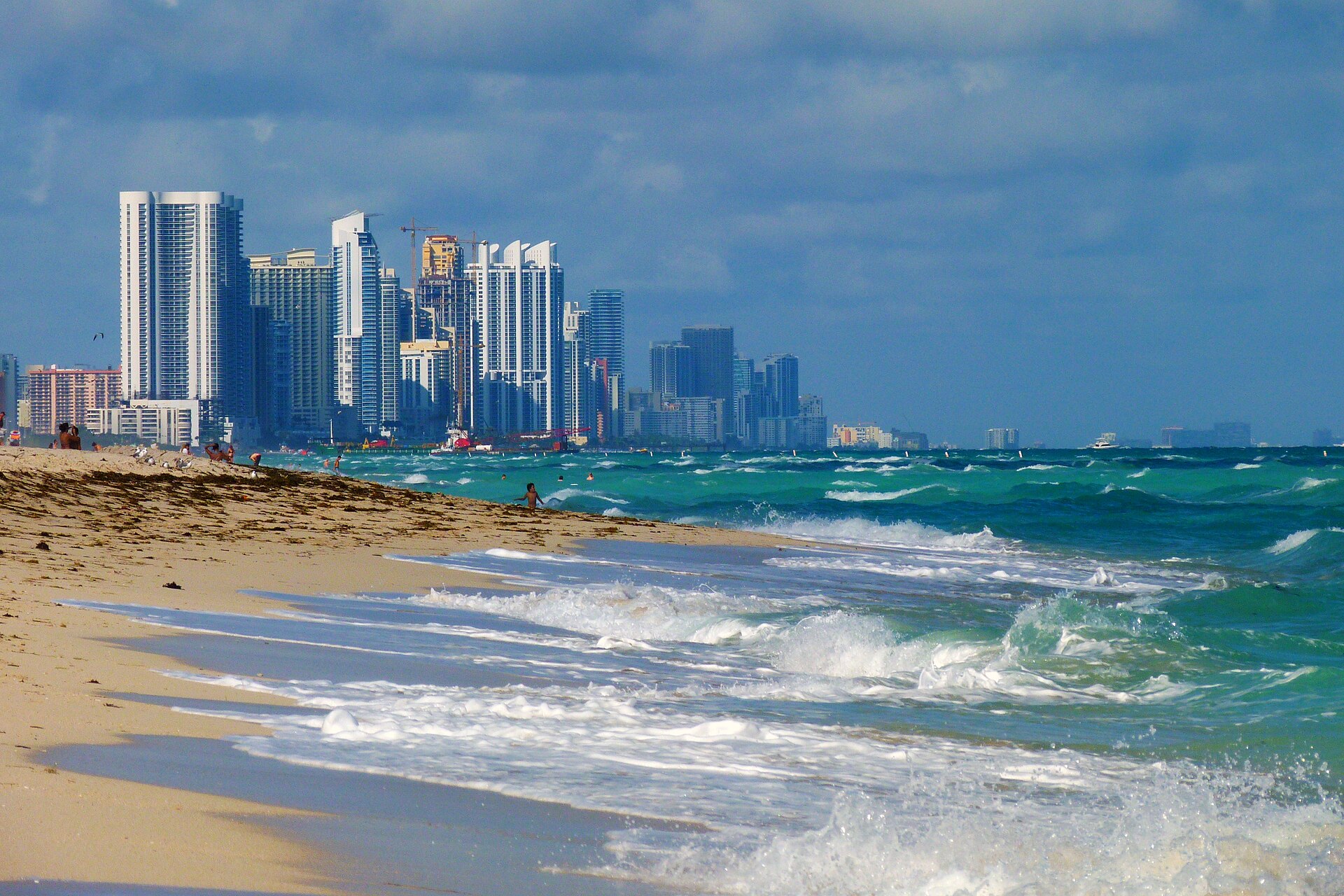
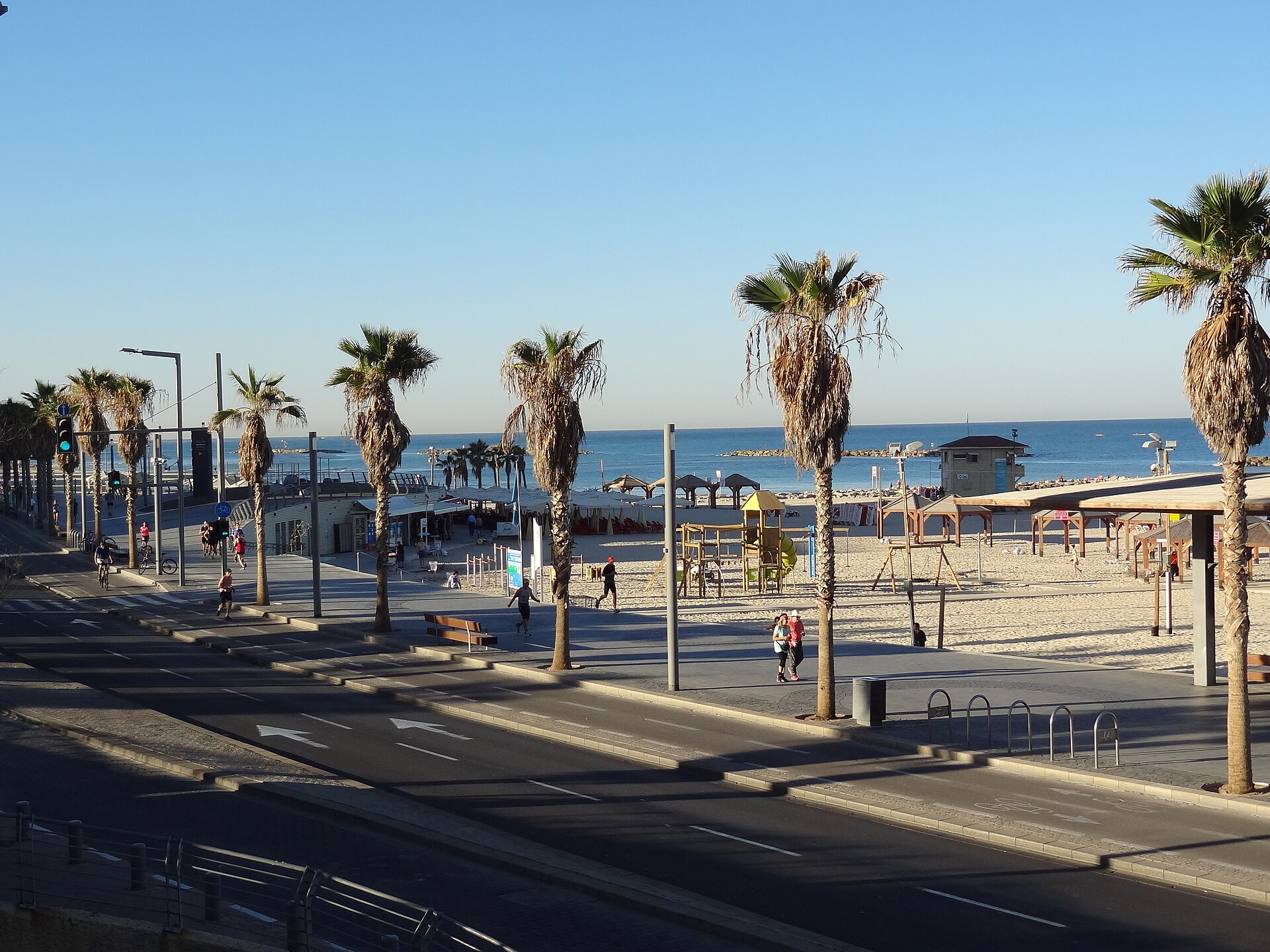
A Tel Aviv beach and a Miami terrace may look equally inviting. Mediterranean seasonality and South Florida’s humid subtropical weather produce very different experiences.
What matters
- Summer heat: both can be hot, with more persistent humidity in South Florida.
- Winter: South Florida is generally mild, while Israeli regions vary widely.
- Rain: Israel’s Mediterranean coast is winter-wet; Miami has summer-heavy rainfall.
- Storm preparation: Florida residents must plan around hurricane risk.
- Sun exposure: test window orientation and afternoon heat.
- Insurance: premiums depend on the actual building and risk.
- Outdoor space: drainage, salt exposure and maintenance matter.
- Walkability: test daily routes in the warmer months.
- Timing: compare the same property in wet and hot seasons.
NOAA uses 1991-2020 climate normals as long-term baselines, not forecasts for any single year. Compare local observations rather than advertising claims about guaranteed sunshine.
Sources and data
The ADAR Journal offers general information only. It is not legal, tax, financial or investment advice. Please consult a licensed professional before making decisions.